AYWS SUMMER BAND CONCERT 2026
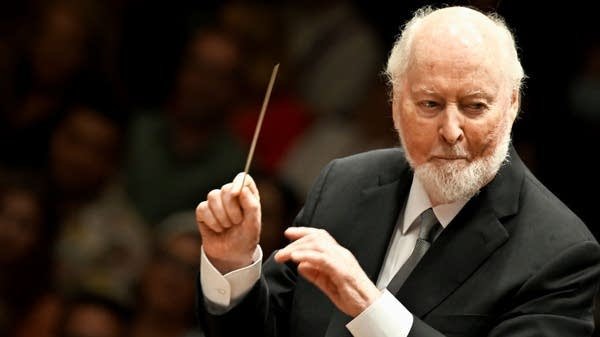
Liberty Fanfare
John Williams
For the festivities accompanying the centennial of the Statute of Liberty, the Statute of Liberty–Ellis Island Foundation commissioned John Williams to write a fanfare to be performed at the televised ceremonies on July 4, 1986.
Prior to the work’s premiere, Williams told Richard Dyer that it is “about five minutes long, and it has a one-minute detachable frontpiece that will be the signature music for all of the ABC presentations connected with the Fourth of July. I’ve tried to create a group of American airs and tunes of my own invention that I hope will give some sense of the event and the occasion.”
Williams conducted the Boston Pops in the first public performance of the fanfare on June 4, 1986. A month later, he led the Boston Pops Esplanade Orchestra in the work as part of a live national telecast.
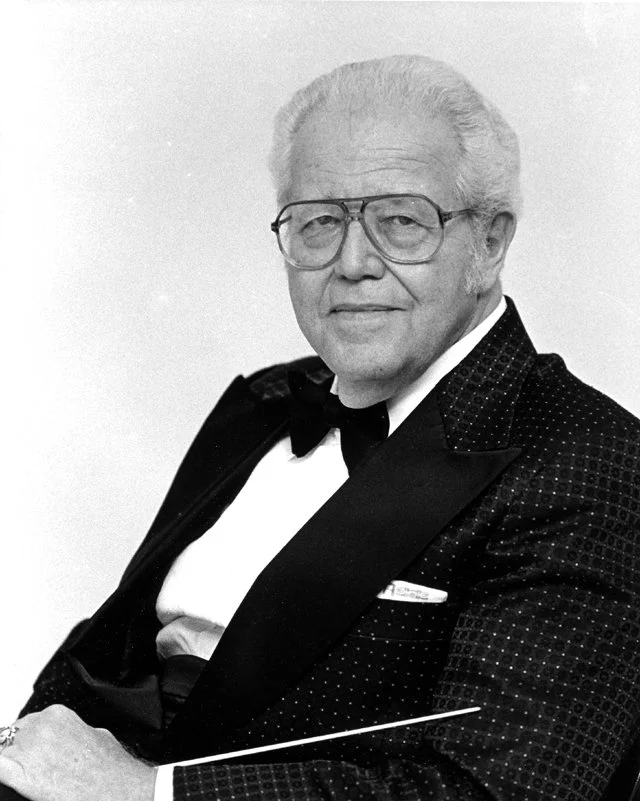
The Music-Makers
Alfred Reed
Alfred Reed composed The Music-Makers for the Spencerport High School Wind Ensemble in 1967. The worked is based on Arthur O’Shaughnessy’s famous ODE:
We are the music-makers
We are the music-makers
And we are the dreamer of dreams,
Yet we are the movers and shakers
Of the World forever, it seems.
One man with a dream, at pleasure,
Shall go forth and conquer a crown:
And three with a new song’s measure
Can trample an empire down.
The Music-Makers is a joyous affirmation of the power of music to move the spirit of man to both dream and achieve the highest that life has to offer.
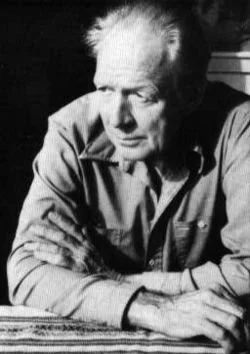
Concord
Clare Grundman
Concord is based on three traditional tunes from old New England, The White Cockade, William Billings' America, and "Yankee Doodle.
The White Cockade is a fife and drum marching tune widely known during the days of the American Revolution. It had also played a part in the British military tradition.
America was written by William Billings (1746-1800), an ardent patriot, amateur musician, and tanner by trade. He attempted to create a new kind of hymn for the New England church, which resulted in an outpouring of hymn tunes such as America, which reflects the independent spirit of the young nation at its birth.
Yankee Doodle is a folk song most widely associated with the Revolutionary War. Its origins are obscure and have been subject to a great variety of improbable theories. It had spread throughout the colonies by the mid-eighteenth century, and was very popular as a tune for jigs and country dances.
This work was commissioned by and dedicated to "The President's Own" United States Marine Band, Washington, D.C. It was premiered by that organization at a concert in Washington, D.C., July 15, 1987. It was also performed at the Third International Conference of the World Association for Symphonic Bands and Ensembles (WASBE) held in Boston, Massachusetts, July 21, 1987.
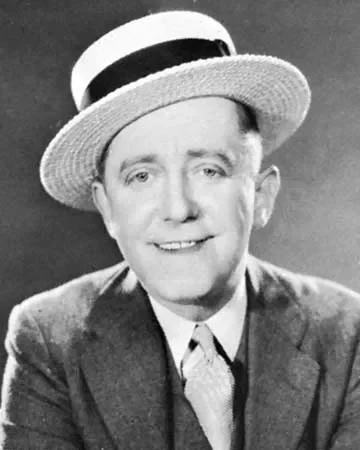
Star-Spangled Salute - Music of George M. Cohan
George M. Cohan arr. James Barnes
Cohan began his career as a child, performing with his parents and sister in a vaudeville act known as “The Four Cohans.” Beginning with Little Johnny Jones in 1904, he wrote, composed, produced and appeared in more than three dozen Broadway musicals. Cohan wrote more than 50 shows and published more than 300 songs during his lifetime, including the standards “Over There,” “Give My Regards to Broadway,” “The Yankee Doodle Boy” and “You're a Grand Old Flag.” As a composer, he was one of the early members of the American Society of Composers, Authors, and Publishers (ASCAP). He displayed remarkable theatrical longevity, appearing in films until the 1930s and continuing to perform as a headline artist until 1940.
Known in the decade before World War I as “The Man Who Owned Broadway,” he is considered the father of American musical comedy. His life and music were depicted in the Oscar-winning film Yankee Doodle Dandy (1942) and the 1968 musical George M!. A statue of Cohan in Times Square, New York City, commemorates his contributions to American musical theatre.
This sparkling medley includes: Give My Regards to Broadway; Harrigan; All in the Wearing; Over There; Yankee Doodle Boy and You're a Grand Old Flag.
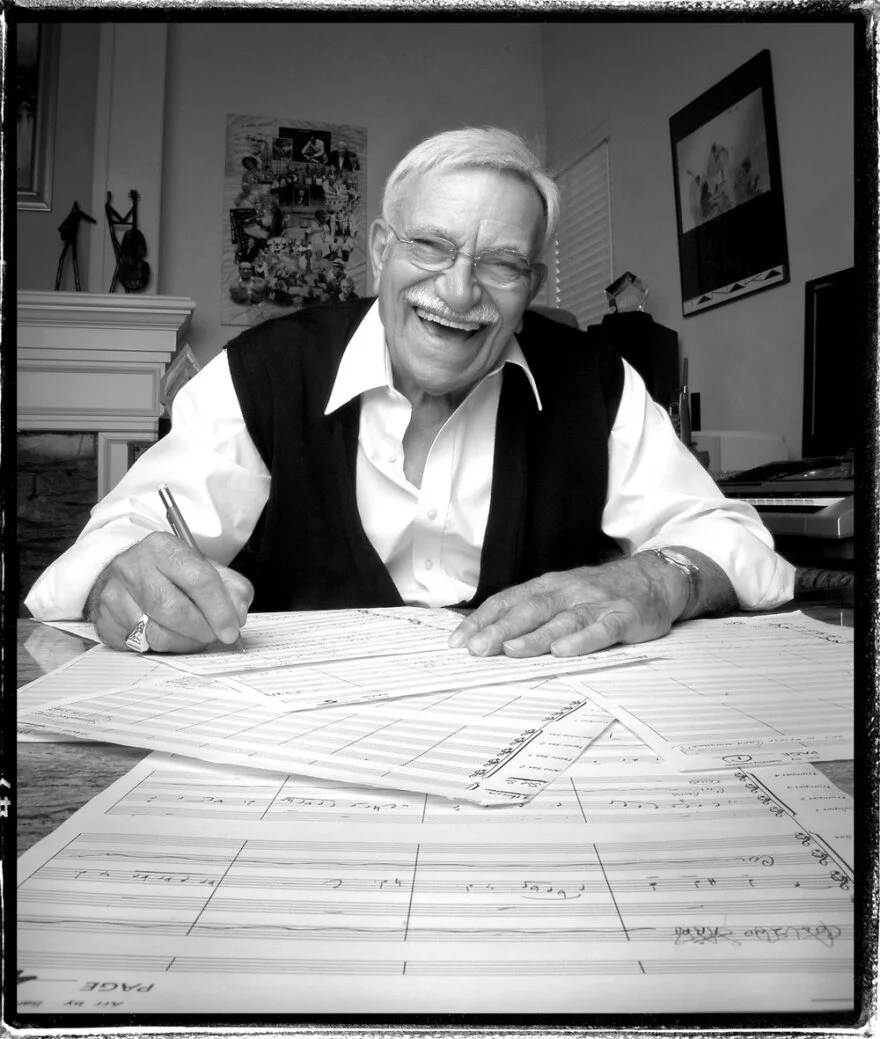
Persuasion
Sammy Nestico
Persuasion is a classic jazz-inspired piece for alto saxophone and wind band by Sammy Nestico.
Sammy Nestico (1924-1921) was an American composer and arranger. He received a bachelor’s degree on music education from Duquesne University in 1950.
One of the most prolific composers and arrangers of big band music, Sammy Nestico’s name is synonymous with the Count Basie Orchestra in the school band setting. Nestico also made significant musical contributions to both the Boston Pops and several movie and television studios during his long career in the film industry as a composer/arranger. His scores for popular shows such as M*A*S*H, The Love Boat, and The Mary Tyler Moore Show are widely recognized around the world.
With over 600 works to his credit, he received a Distinguished Alumni Award and honorary doctorate from Duquesne University.
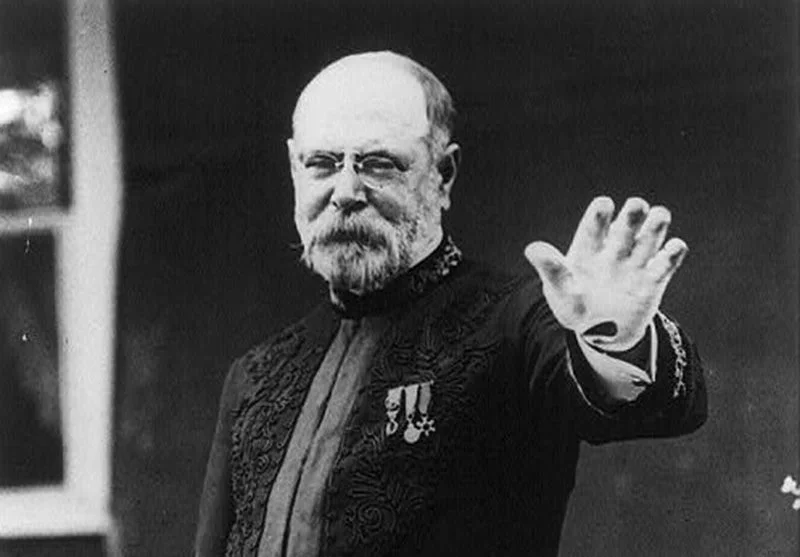
The High School Cadets
John Philip Sousa
The mutual admiration which existed between John Philip Sousa and the school bands of America has caused many musicians and writers to conclude that this march was composed as a salute to the school band movement. However, it was written twenty years before that movement had begun. It was composed at the solicitation of the marching cadet corps of the one and only Washington, D.C, high school in 1890 (later called Central High School) and was dedicated to the teachers and pupils.
The High School Cadets was another of the drill teams which were an exciting part of the capital city scene for many years after the Civil War. The members requested the march of Sousa, asking that he make an effort to make it superior to his “National Fencibles” march, which he had written for a rival cadet corps. In Sousa’s estimation, it was indeed a better march. The music world has concurred, because “The High School Cadets” has always been one of Sousa’s most popular marches.
The Cadets were invited to a Marine Band rehearsal to hear the march played. They liked what they heard and produced $24 to cover the cost of having the march published and copyrighted.
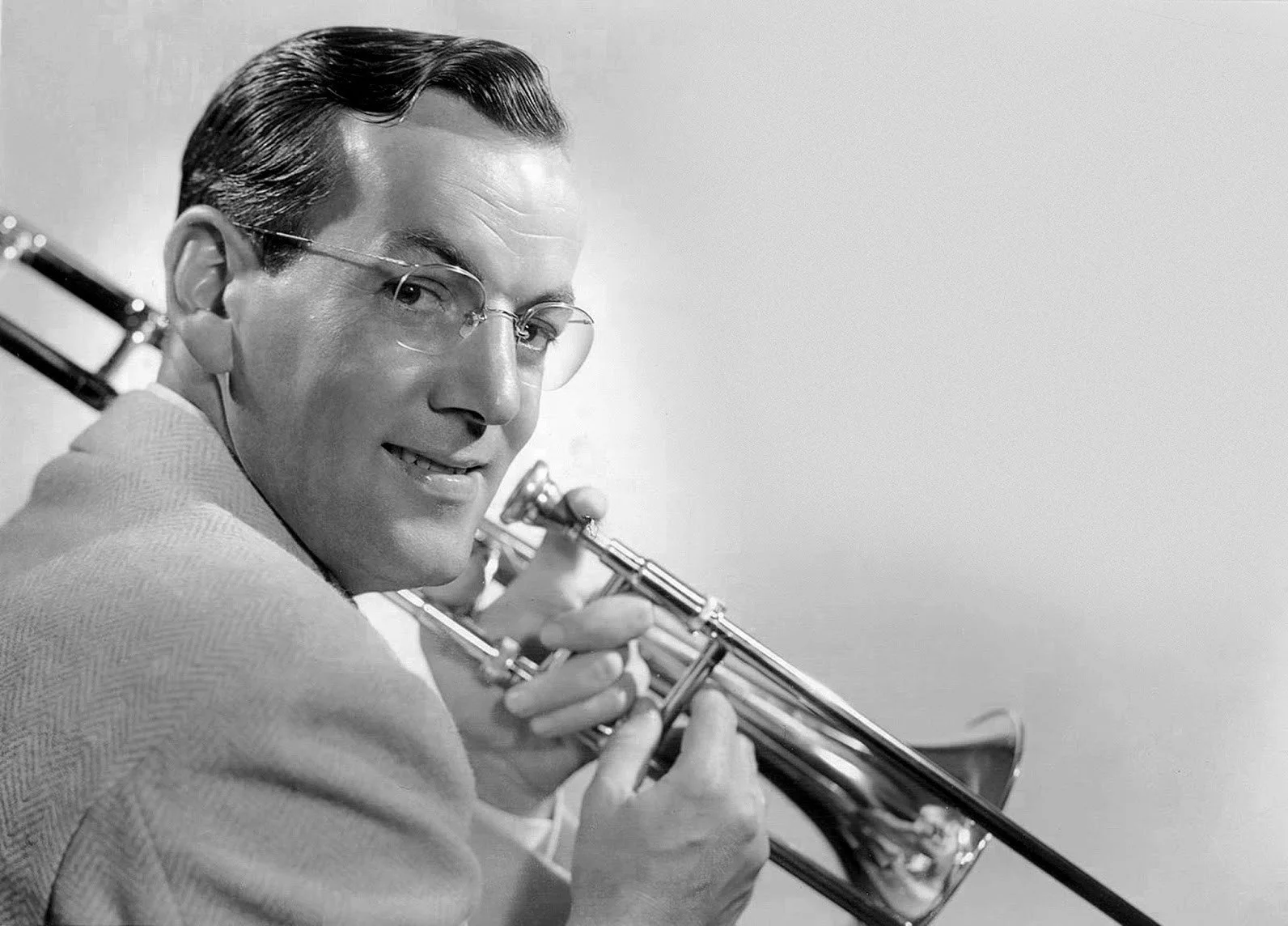
Glenn Miller in Concert
Glenn Miller arr. Paul Murtha
Glenn Miller was an American big band leader, arranger, composer, and trombonist, considered the premier musical symbol of the World War II generation. After playing in several big bands, Glenn Miller organized his own band in 1938. Within four years, it was the most popular band in America. He joined the U.S. Army Special Forces in October, 1942, and quickly assembled an outstanding band.
From the scores of his hit tunes and arrangements, this medley includes Moonlight Serenade, Little Brown Jug, Chattanooga Choo-Choo, and Pennsylvania 6-5000.
Opening Night on Broadway
arr. Michael Brown
A new generation of musicals is hitting the Great White Way, and is resulting in a renewed vitality in the music written for the stage. Here is a dynamic collection of future classics in a sparkling and entertaining medley. Includes: Springtime for Hitler ("The Producers"); The "Avenue Q" Theme; Always Look on the Bright Side of Life ("Spamalot"); For Good ("Wicked"); and Circle of Life ("The Lion King").
Silverado
Bruce Broughton arr. Randol Bass
Silverado (1985) is the title theme to the 1985 American-Western film, Silverado. The soundtrack to the movie was nominated for an Oscar at the Academy Awards that year.
The piece opens with a “martial and majestic” horn fanfare. In traditional symphonic overture form, the middle section features several solos before the trombone signals the return for the closing section. The original melody is reprised by brass choir in augmentation as the woodwinds and keyboard percussion drive the energy to the finale.
Composer Bruce Broughton is a regular collaborator with Scott Stewart and the AYWS. Most recently, AYWS gave the world premiere of Suspect Folktunes, and prior to that performed the premiere of Grimm Tales in Carnegie Hall in June 2023. Other commissions include Harlequin and In the World of Spirits.