
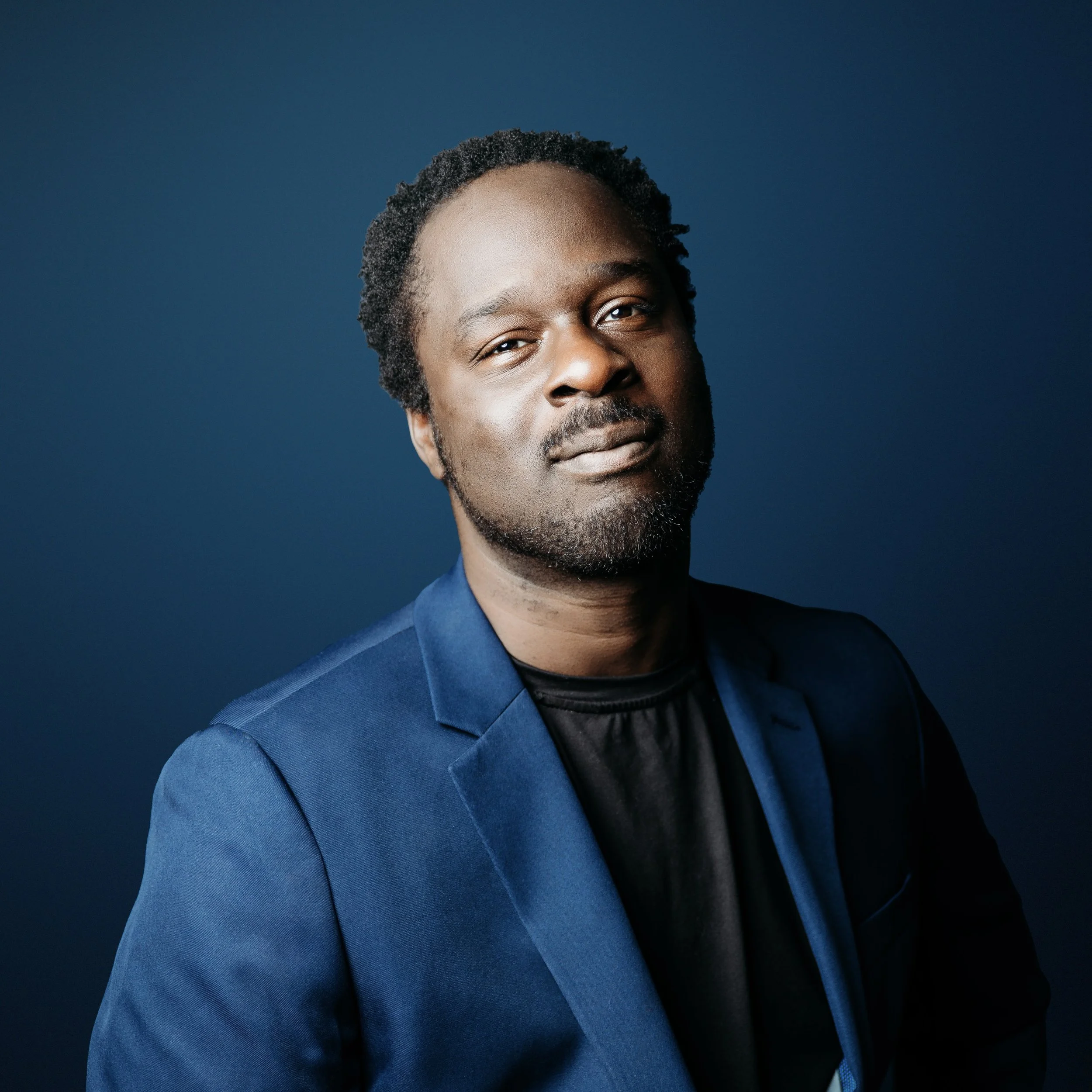
Dreamer’s Overture (Duroje Gwamna)
It starts with the call of a French Horn -- passing its heroic baton to other voices within the ensemble. Dreamer's Overture is an exploration of collective strength, as each instrument contributes to fortifying a shared message.
The ensemble guides the listener through a dynamic tapestry of sounds, ranging from the commanding echoes of 21st-century Sousa to the serene beauty of idyllic chorales. This composition weaves together diverse musical elements, capturing the wonder of an artist first learning their craft.
Dedicated to the Coe College Concert Band, Dreamer's Overture pays homage to the place where my, and my colleagues, sonic dreams took flight. It is a tribute to the creative spirit nurtured within that community.
—Duroje Gwamna
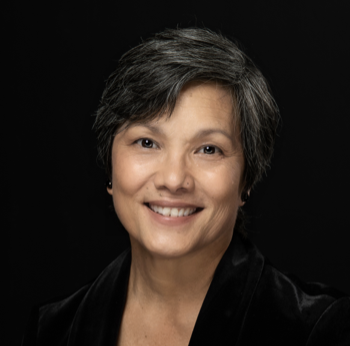
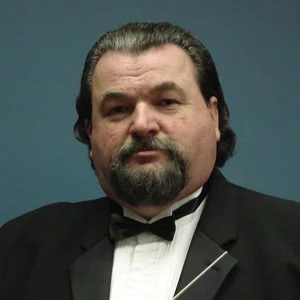
Composers Christina Huss and R. Alan Carter have collaborated to create a poignant ballad based on several folk songs about rivers. Flowing lyrical lines and beautiful harmonic choices drive this composition to a wonderful peak of all of the themes combined before settling into a pleasing conclusion.
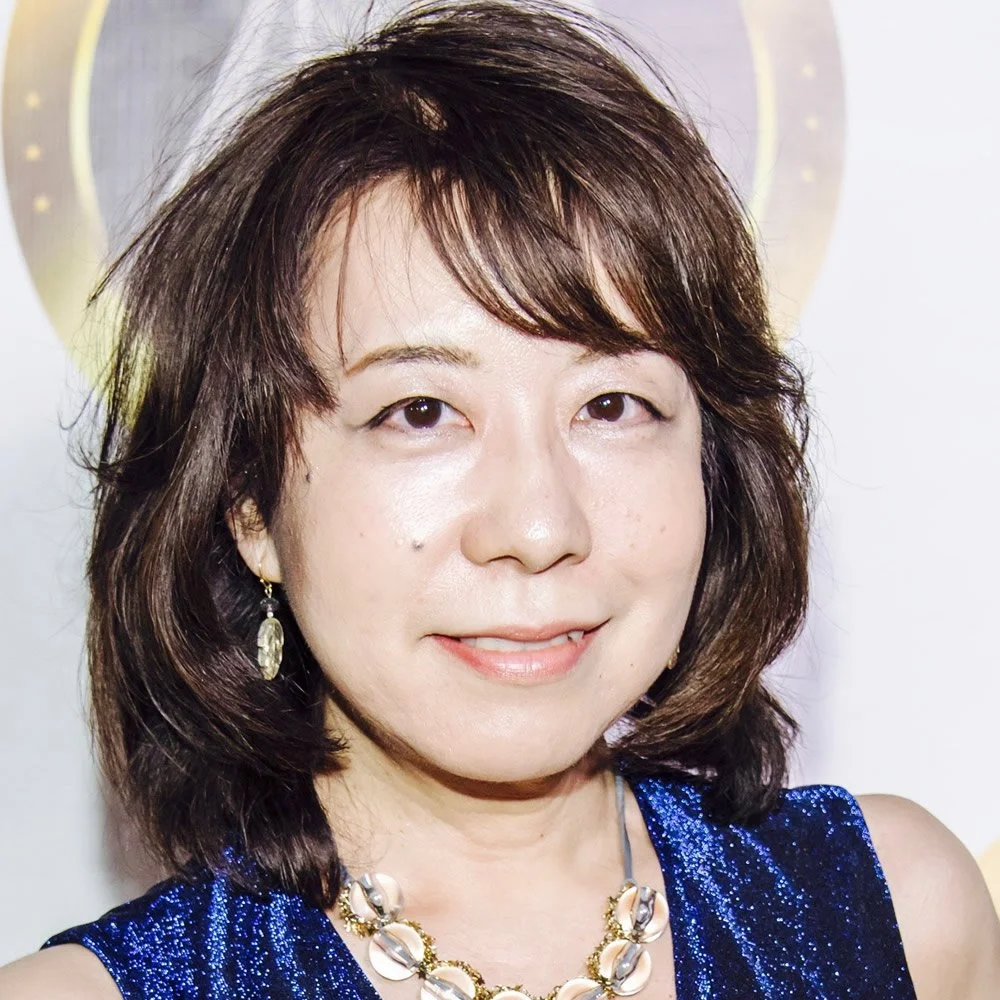
Merry-Go-Round (Yukiko Nishimura)
As the title suggests, this new piece from composer Yukiko Nishimura depicts the joy of riding on a merry-go-round or carousel. The main melody is delightful and memorable. Yukiko's orchestration colors are unique and fresh. Her harmonic sensibilities lead a bit toward the Jazz idiom making her compositions different and very interesting.

Dancing on the Wind (Yosuke Fukuda)
I have been creating works under the theme "Hokusai Impressions" for some time. Hokusai is the famous Ukiyo-e painter of the Edo period, Katsushika Hokusai.
Ukiyo-e is a unique style of Japanese ukiyo-e that depicts the world through color, balance, form, and above all, the use of color to highlight Japanese customs and manners. Debussy was inspired to write the symphonic poem La Merafter seeing Fugaku Sanjurokkei (Thirty-six Views of Mount Fuji), Kanagawa Okinamiura at the Paris Exposition at the end of the 19th century. Van Gogh also attempted to copy Ukiyo-e in his career.
The power of Ukiyo-e is to stimulate the imagination ... I believe its legacy is a strong sense of originality. It is not the result of the culture of the common people of Edo, which was isolated from the rest of the world, but rather the fact that the Japanese people originally possessed the power to enhance their culture. I would like to go back in time to experience the Edo period, when this power was strongly apparent.
I, too, have created works under the theme of "Japanese originality," though I do not know of my success. I have the lofty goal of approaching the "originality" of the ukiyo-e paintings of Hokusai Katsushika, which I admire.
As for Dancing in the Wind, I was interested in creating the world of Sharaku's "Kabuki pictures" and "iki" for band. I started with the idea of creating an "imaginary Kabuki stage." In the end, I had wind floating in the air in my mind. That's how the title came about.
—Yosuke Fukuda
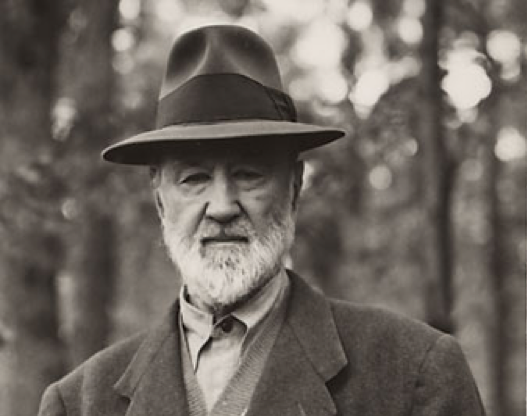
Variations on “America" (Charles Ives)
Variations on "America" was originally a composition for organ. Composed in 1891 when Ives was seventeen, it is an arrangement of the traditional tune My Country, 'Tis of Thee, and was at the time the de facto anthem of the United States. The tune is also widely recognized in Thomas Arne's orchestration as the British National Anthem, God Save the Queen, and in the former anthems of Russia, Switzerland, and Germany, as well as being the current national anthem of Liechtenstein and royal anthem of Norway. Ives later described the piece as "but a boy's work, partly serious and partly in fun." These variations serve, however, as perhaps the most comprehensive illustration of Ives's youthful sweep of style.
The variations are a witty, irreverent piece for organ, probably typical of a “silly” teenage phenom like Ives. According to his biographers, the piece was played by Ives in organ recitals in Danbury and Brewster, New York, during the same year. At the Brewster concert, his father would not let him play the pages which included canons in two or three keys at once, because they were “unsuitable for church performance--they upset the elderly ladies and made the little boys laugh and get noisy!”
This work was transcribed for orchestra in 1964 by William Schuman and for band in 1968 by William Rhodes. Due to a transcription error, measure 15 has been performed and recorded incorrectly thousands of times. The chord on count three should contain a concert C# (not C-natural, as appears in both the orchestra and wind band/ensemble versions), providing the leading tone for an A dominant-seventh chord leading to a major (not minor) cadence in D major.
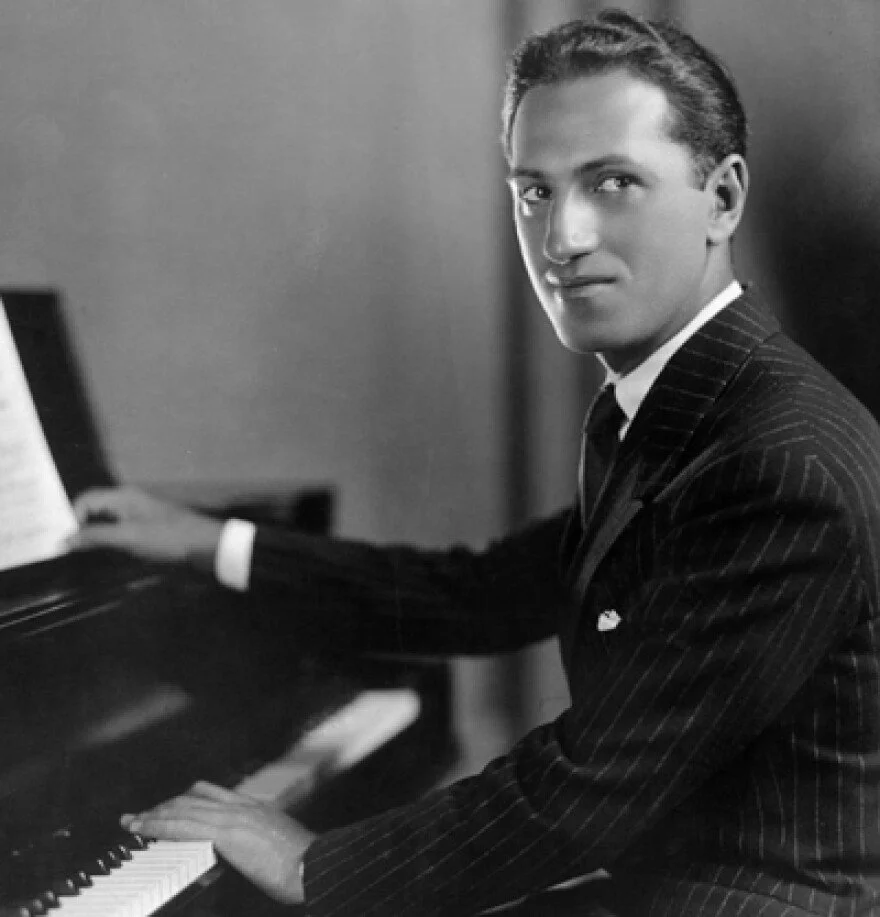
Second Prelude (George Gershwin)
Gershwin’s Three Preludes are short piano pieces, first performed by the composer at the Roosevelt Hotel in New York in 1926. Gershwin originally planned to compose twenty-four preludes, but this number was reduced to five in public performance and further decreased to three when they were first published. In the second prelude, Gershwin invokes his Jewish heritage as an almost Yiddish melody floats over gentle, undulating accompaniment -- a twelve-bar blues form -- whose delicacy recalls the piano music of Chopin. The melody is repeated in a second chorus of the blues form, followed by a bridge in a brighter, major key. The initial theme returns, dissipating as though entering a quiet sleep. Gershwin referred to the piece as “a sort of blues lullaby.” This wind arrangement -- published in 1965 -- was arranged by John Krance, who embarked to capture the mood and beauty of the original piano score.
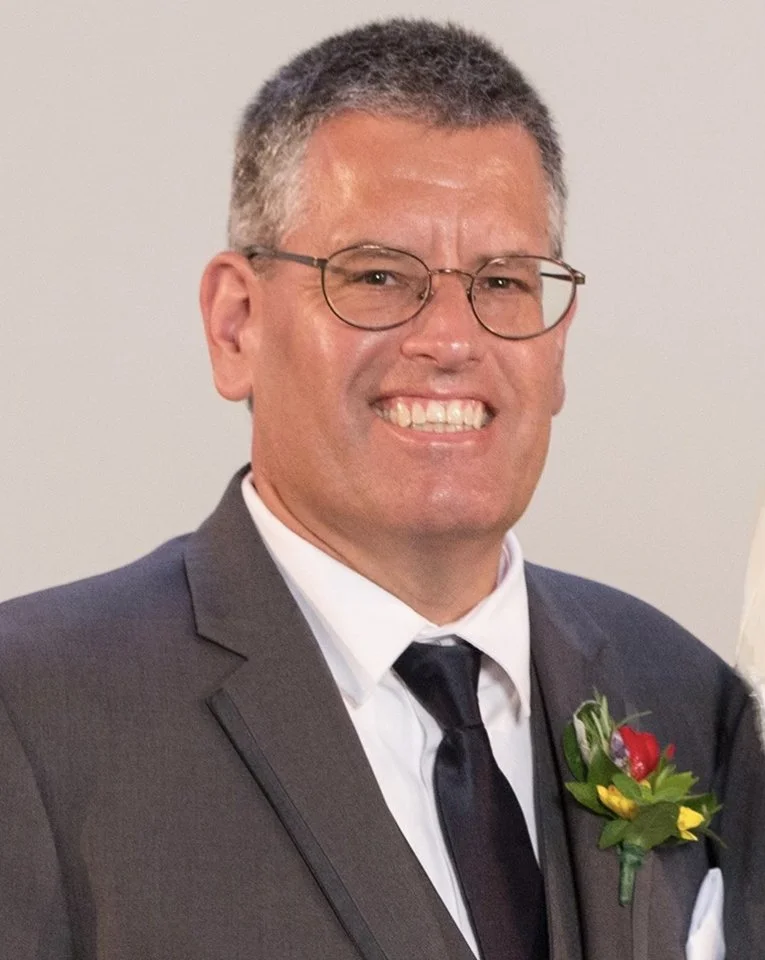
Ignition! (Todd Stalter)
Ignition! is a blindingly fast, raucously energetic concert opener that derives its title from the consecutive rising three-note cells that are the building blocks for almost the entire work. However, the energy unleashed in the music and the imagery of the title serve both as a metaphor for the "spark" of creativity, and as a "celebration in sound" for those who find and follow their own true life’s passion and pass it along to others, "igniting" the flame for another generation.
Ignition! was composed for the Atlanta Youth Wind Symphony, Atlanta, Georgia, Scott A. Stewart, Music Director and Conductor. Following the performance of Stalter’s As the Robin to the Meadow at the Midwest Clinic in Chicago in 2005, the composer presented AYWS with Poeme (2007) dedicated to Freddy Martin. Ignition! followed in 2011.
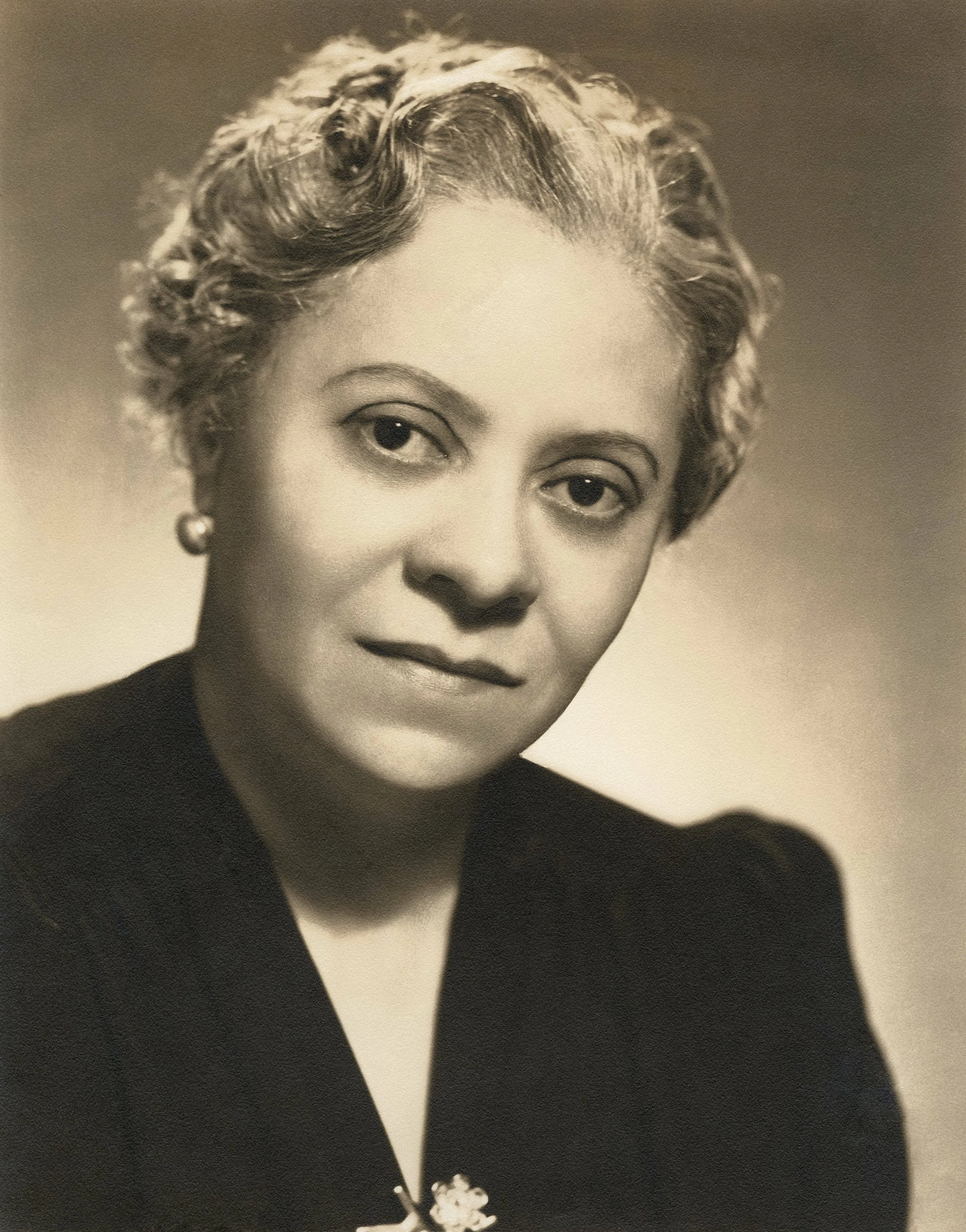
“Juba Dance” from Symphony No. 1 in e minor (Florence Price)
Florence Price (1887-1953) made history as the first African-American woman to have a symphony performed by a major American orchestra. (Symphony No. 1 in E minor, premiered by the Chicago Symphony Orchestra in 1933). The "Juba Dance: Allegro" is the third movement from Symphony No. 1 in E minor.
The Juba, originating in Haiti and Africa, features a two-cross step that is danced in a circle. The dance was accompanied by hand-clapping, singing, and drums. Enslaved individuals introduced the Juba into the southern colonies, later influencing hambone and ragtime. After the Stono Rebellion in 1739, plantation owners restricted drum use due to fears of secret communication. Consequently, the enslaved utilized their bodies as musical instruments, with "Pattin' juba" referring to the cross-rhythms and angular syncopations produced through body percussion. Florence Price aimed to elevate the African American folk dance into concert halls by boldly replacing the traditional minuet/scherzo with the Juba in each of her three surviving symphonies.
As part of the World’s Fair in Chicago — called A Century of Progress International Exposition in honor of the city’s centennial — the Chicago Symphony Orchestra presented a concert of music featuring not only African American soloists but also several works by Black composers. Given on June 15, 1933, at the Auditorium Theatre under the auspices of Chicago Friends of Music, the program included compositions and arrangements by Florence Price, Samuel Coleridge-Taylor, Harry Burleigh and Roland Hayes; Hayes also was tenor soloist along with pianist Margaret Bonds.
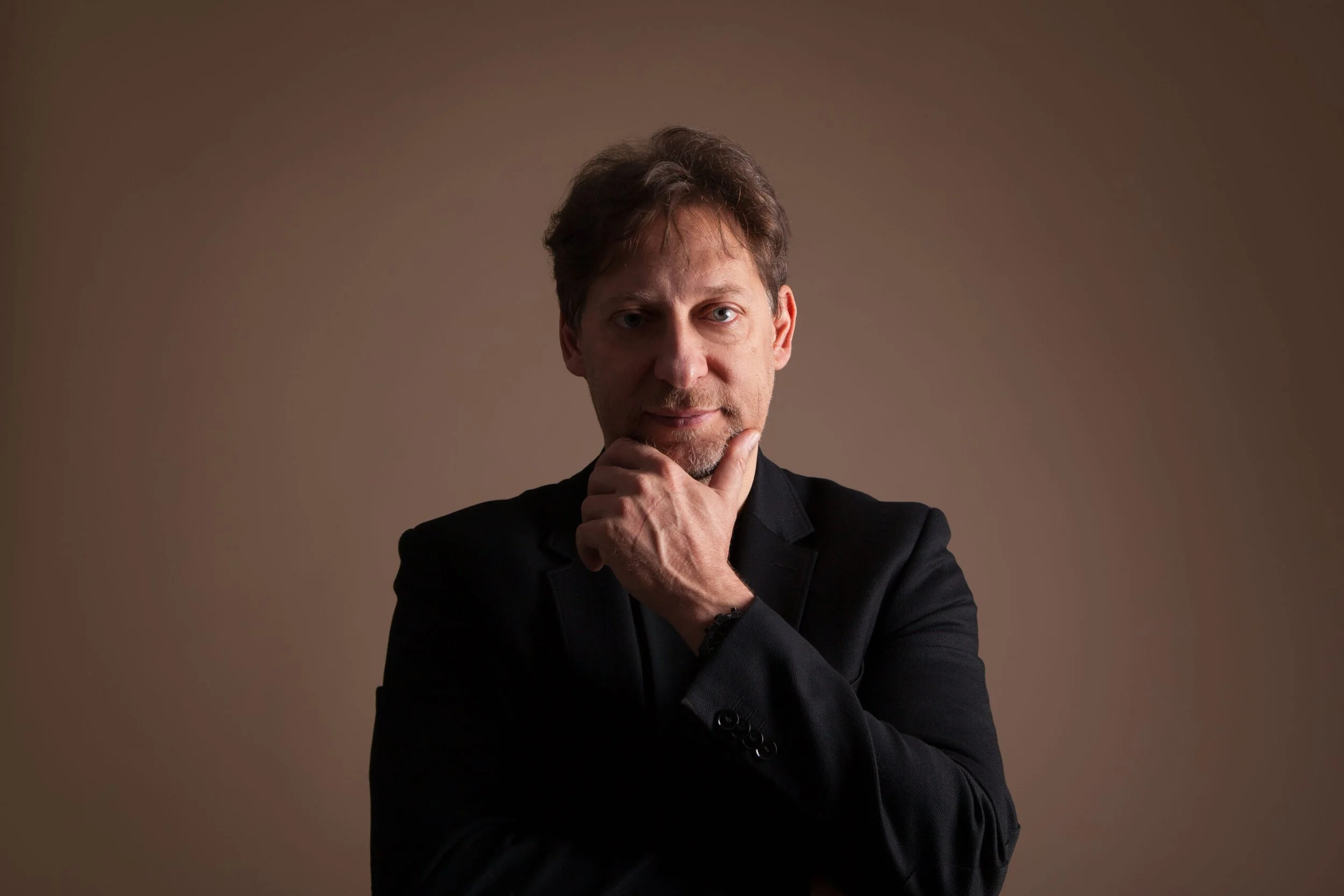
Spotlights (Thomas Doss)
Spotlights is a virtuoso piece for saxophone quartet (SATB) and concert band that was commissioned by the Austrian saxophone quartet Mobilis. It is an impressive and exceptionally spectacular piece in which every member of the saxophone family is featured. The most important ingredients of this solo work are virtuosity, rhythm and a good dollop of funk. It is a challenging but rewarding piece for saxophone soloists and yet very accessible to the audience.
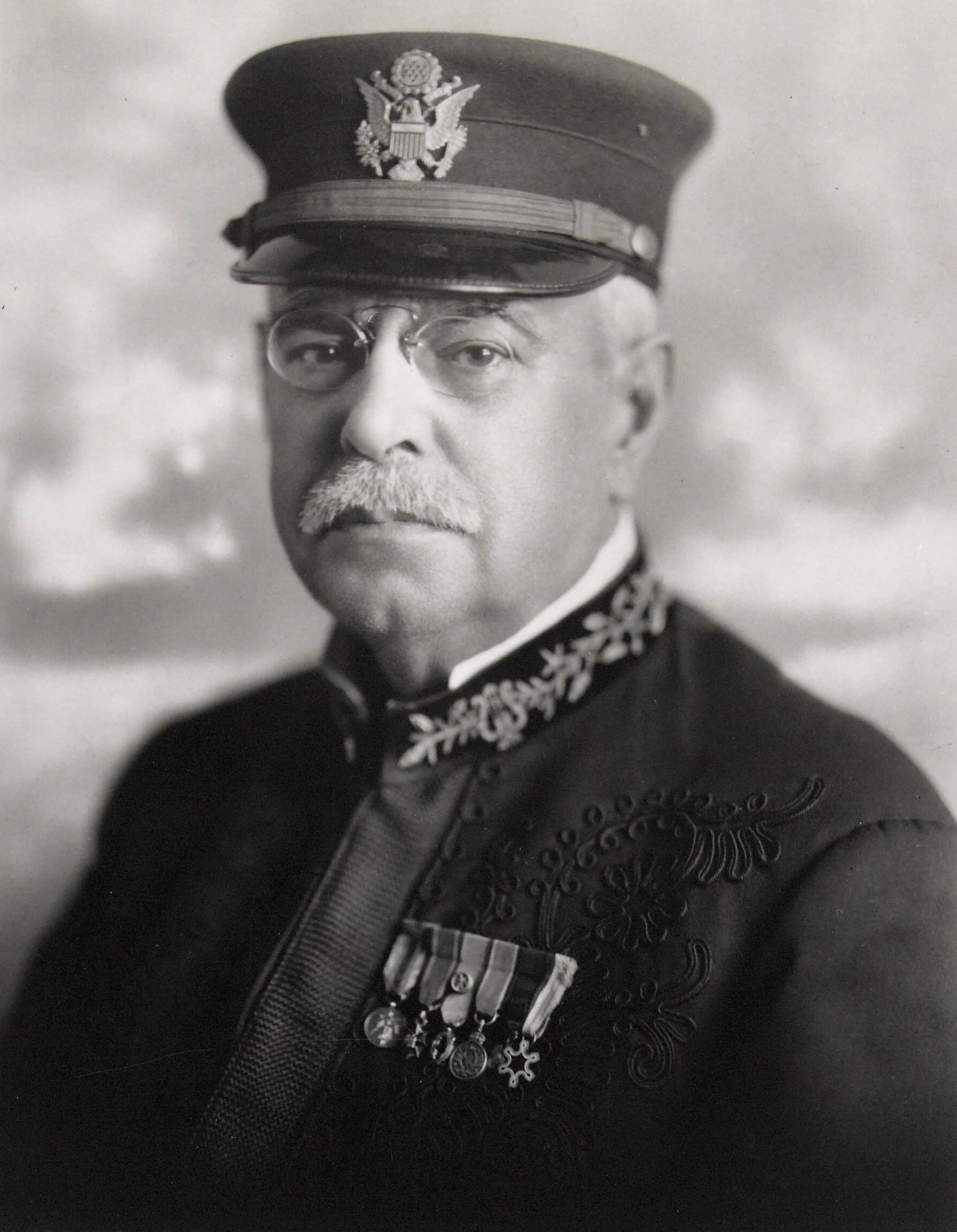
The Belle of Chicago (John Philip Sousa)
Sousa completed the band full score of The Belle of Chicago on July 23, 1892, in Washington, D.C. This date was precisely one week before his discharge from the Marine Corps to form his own civilian band, which, incidentally, was based in Chicago, so it is not at all surprising Sousa sought to curry favor with this Midwestern metropolis. Some have speculated the title was intended for Ada Blakely, wife of his new manager, David Blakely.
Chicago would prove an important performance site for Sousa for many years, and reviews from the Chicago press were always important. An unidentified press clipping from the Sousa Band press books demonstrates that initial reaction to The Belle of Chicago was not everything Sousa might have hoped. What he intended as a salute to the ladies of Chicago received this stinging criticism from one writer: “Mr. Sousa evidently regards the Chicago belle as a powerful creature, with the swinging stride of a giant, a voice like a fog-horn, and feet like sugar-cured hams.” And "Mr. Sousa has made his Chicago belle a strapping kitchen wench..."
This one negative review, while humorous, did not overshadow the fact this was one of Sousa’s best marches to date. The arresting four-bar introduction and the lean four-strain format (without breakup strain/dogfight/episode) is vigorous and exciting, with an irresistible momentum.

Rise (Adam Schoenberg)
Rise is a two-movement work commissioned by the California Wind Band Consortium. I wanted to create a new piece that could be presented in three distinct ways: Both movements played back-to-back; standalone movements (Beginnings can be a concert opener or encore, and Farewell Song can be placed anywhere in a program); or having the movements bookend an entire program (i.e., the concert begins with Beginnings and closes with Farewell Song.)
Beginnings is designed to function as a long gradual crescendo. It begins with a rhythmic ostinato that becomes the driving force for the entire movement. As it progresses, the orchestration and overall intensity grows, ultimately creating an uplifting and optimistic ending.
--Adam Schoenberg
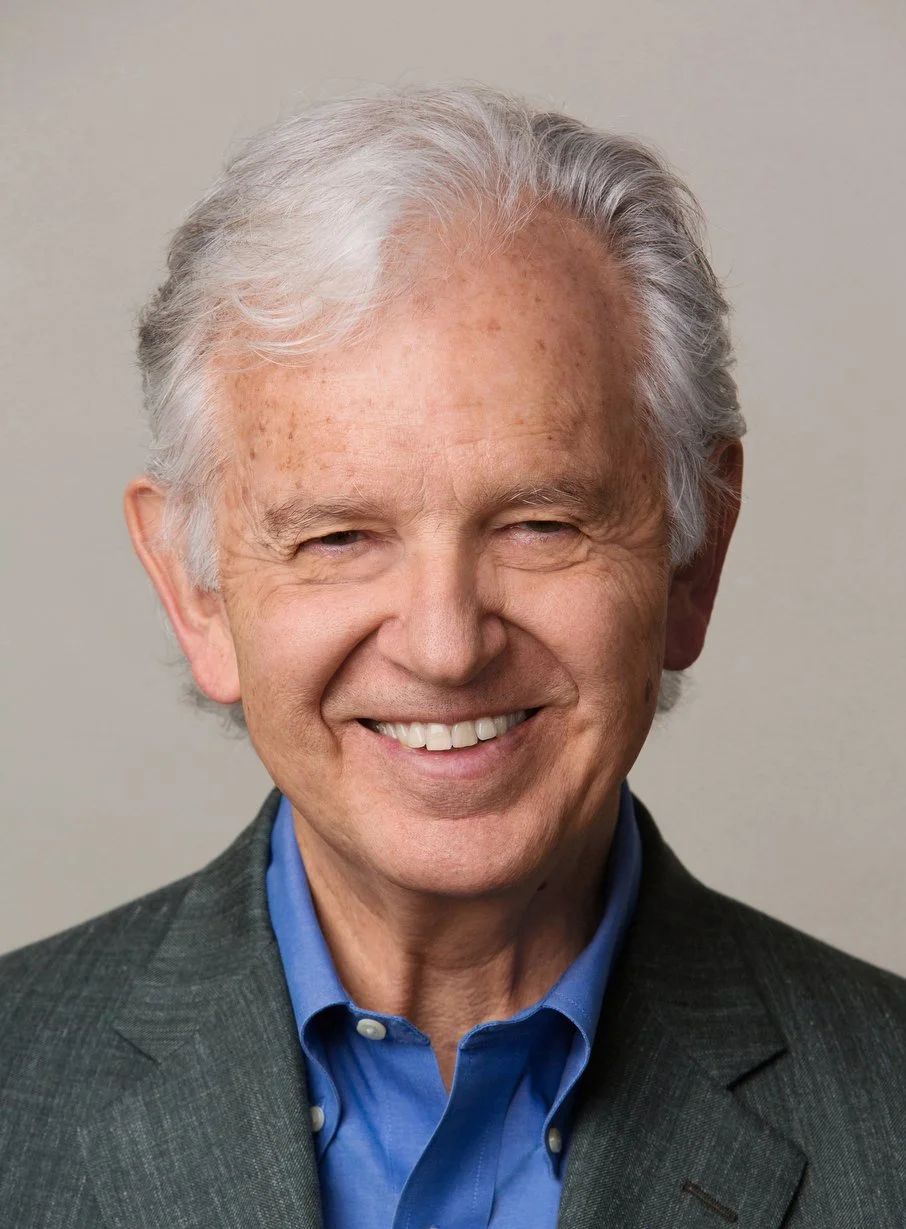
Suspect Folktunes (Bruce Broughton)
Suspect Folktunes is a suite of short character pieces each based upon a tune that has folk-like qualities; that is, it could be a genuine folk tune or not. And it really doesn't matter. The subject of the tune is hinted at by its title. For example, the first tune, Napoleon at Waterloo, has a light, quasi-military character. The second, The Girl on the Green, could be a sentimental ballad recalling a nostalgic memory. The accompaniments to the melodies complement the possible content of the missing words. Each piece can be performed independently, in combination with the others, or as part of a multi-movement work. Suspect Folktunes is colorful, lyrical, and entertaining.
Suspect Folktunes was originally composed for trumpet and piano. Bruce Broughton “windestrated” the piece in 2025 and requested that it be premiered by the Atlanta Youth Wind Symphony.